

History was made on the frozen waters of New Jersey's Navesink River this February, as one of American sport's most enduring dynasties finally came to an end. The Tiffany and Co. trophy, worth an estimated $100,000 and first contested in 1889, changed hands for the first time in over a century during what meteorologists described as the most severe polar vortex to hit the region in decades. The extraordinary winter conditions created ice thick enough to support the high-speed ice boats that hadn't been able to compete on the Navesink for years, setting the stage for what sailors are calling the most significant ice yacht racing event in modern memory.
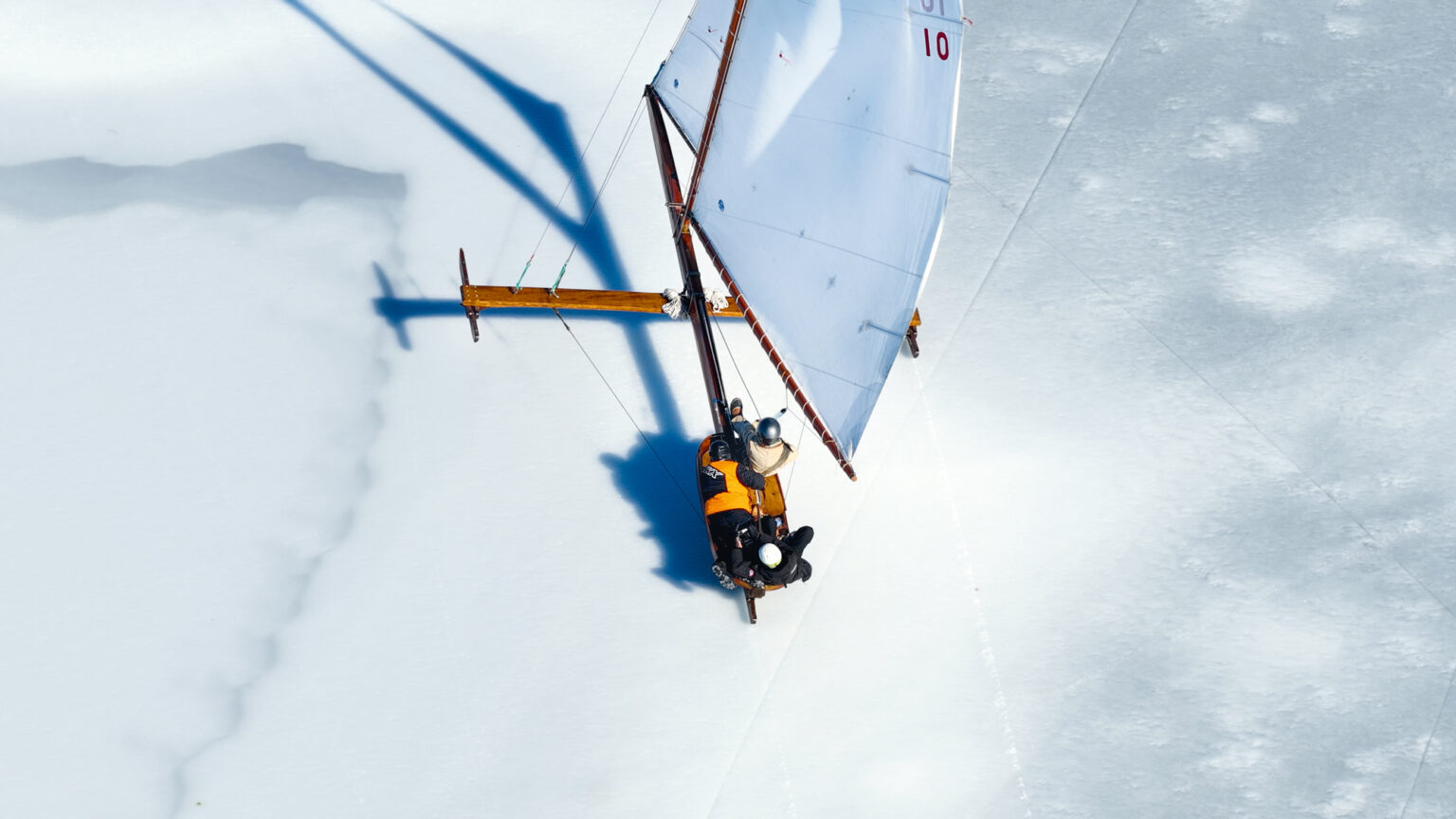
The contest represented the culmination of what many consider the longest-deferred grudge match in sports history, with challenging families and sailing clubs nursing rivalries that span multiple generations. Ice boat racing, a sport that combines the precision of sailing with the raw speed potential of racing on frozen surfaces, requires specific weather conditions that have become increasingly rare due to climate change. The February polar vortex delivered exactly what competitors needed: sustained sub-zero temperatures that created ice measuring over eight inches thick across the Navesink's racing grounds, conditions that veteran sailors described as the best they'd witnessed in their lifetimes.
The ice boats themselves represent marvels of engineering, combining lightweight construction with aerodynamic design principles that allow them to achieve speeds exceeding 60 miles per hour across frozen surfaces. These specialized craft feature sharp metal runners that bite into the ice while massive sails capture wind energy with remarkable efficiency. The sport demands exceptional skill from its practitioners, who must navigate at breakneck speeds while making split-second tactical decisions. During the February competition, spectators witnessed displays of seamanship and courage that highlighted why ice boat racing has maintained such a devoted following despite its dependence on increasingly unpredictable weather patterns.
Red Bank emerged as the epicenter of this historic sporting drama, with the local sailing community hosting competitors and spectators who traveled from across the Northeast to witness the momentous event. The town's maritime heritage provided the perfect backdrop for a competition that blended old-world tradition with cutting-edge sailing technology. Local businesses reported unprecedented winter tourism as sailing enthusiasts flocked to witness what many believed might be their only opportunity to see such conditions on the Navesink. The economic impact extended beyond immediate tourism, with boat builders and sailing equipment manufacturers using the event to showcase innovations in ice yacht design and construction.
The successful completion of this long-awaited championship represents more than just a change in trophy ownership; it symbolizes the resilience of traditional sailing sports in an era of climate uncertainty. Organizers had spent years planning for the eventual convergence of suitable ice conditions and competitor availability, maintaining detailed contingency plans while hoping nature would cooperate. The February event validated their patience and preparation, delivering a competition that exceeded expectations for both participants and spectators. Marine weather experts noted that the specific combination of temperature, wind, and ice formation that enabled the races represents an increasingly rare phenomenon.
As the sailing community celebrates this historic achievement, attention turns to questions about the future of ice yacht racing in a changing climate. The successful February championship has reinvigorated interest in the sport, with yacht clubs reporting increased membership inquiries and boat builders experiencing renewed demand for ice-capable vessels. However, the rarity of suitable conditions underscores the precious nature of such opportunities. The 2024 Navesink championship will likely be remembered as a watershed moment that demonstrated the enduring appeal of traditional sailing sports while highlighting their vulnerability to environmental change. The Tiffany trophy's new holders now face the challenge of defending their title whenever conditions next permit such extraordinary competition.